

Introduction to Digital Card Cloning and NFC Relay Attacks
Contactless payments have transformed modern banking. From tapping a debit card at a grocery store to paying with a smartphone at public transport stations, Near Field Communication (NFC) technology has made transactions faster and more convenient than ever before.
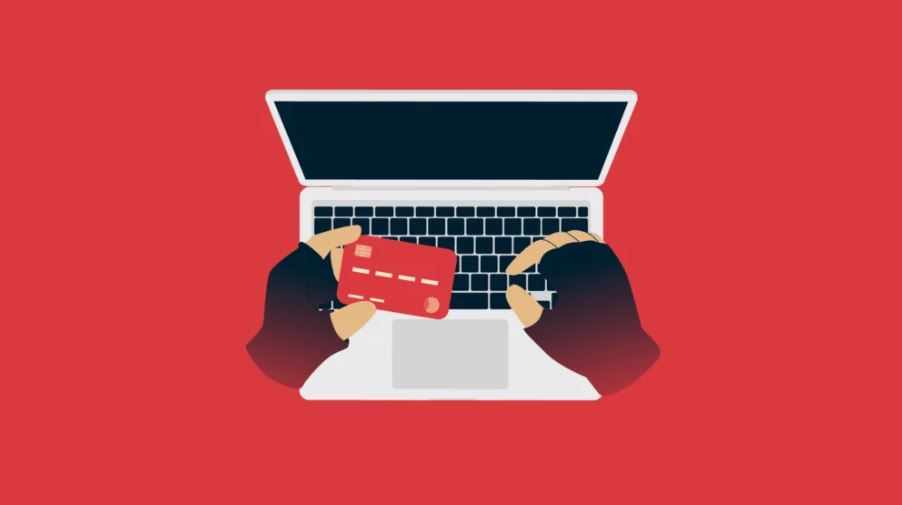
However, the same innovation powering contactless payments has also created new opportunities for cybercriminals. In 2026, digital card cloning and NFC relay attacks are becoming some of the fastest-growing forms of payment fraud worldwide.
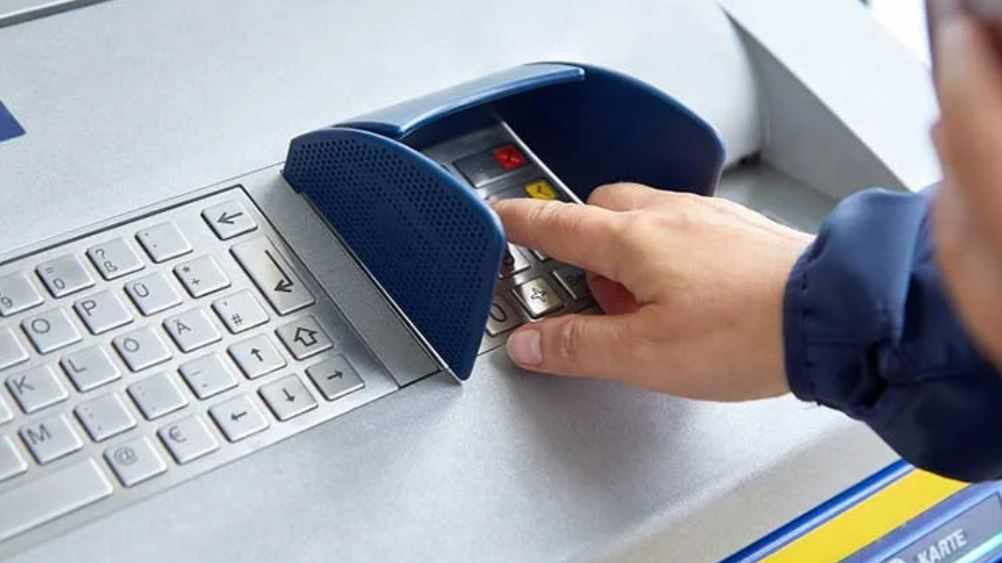
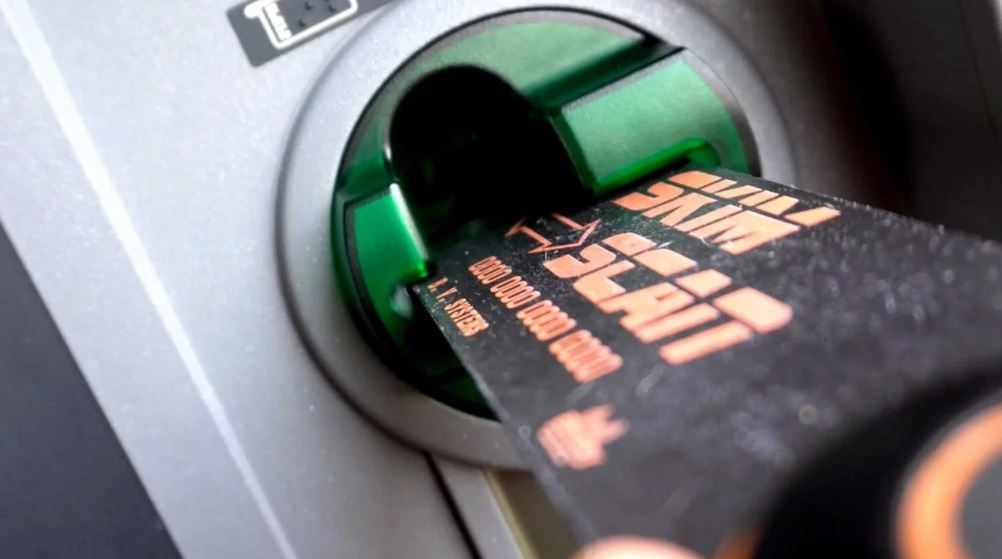
Many users still believe card cloning only happens through ATM skimmers or stolen physical cards. But today’s attackers often operate wirelessly, silently intercepting payment signals and exploiting weaknesses in contactless payment systems.
Understanding how digital card cloning and NFC relay attacks work is essential for anyone using modern banking technology. This guide explains the methods criminals use, the risks involved, and the best ways to stay protected.
What Is Digital Card Cloning?
Digital card cloning refers to the illegal copying of payment card information into another digital device or card format. Unlike traditional cloning, which often required physical access to a magnetic stripe, modern digital cloning focuses on wireless payment data and token interception.
Cybercriminals use advanced tools to:
Capture NFC payment signals
Relay transaction data in real time
Duplicate payment credentials
Bypass weak authentication systems
The rise of digital wallets and contactless payments has expanded the attack surface for financial fraud.
Understanding NFC Technology
NFC stands for Near Field Communication. It is the technology behind:
Tap-to-pay cards
Mobile wallets
Smartwatches with payment support
Contactless ATMs
Transit payment systems
NFC allows devices to exchange data wirelessly over very short distances, usually within 4 centimeters.
Common NFC payment systems include:
Apple Pay
Google Pay
Samsung Wallet
Contactless Visa cards
Contactless Mastercard cards
While NFC systems are generally encrypted and secure, attackers constantly search for implementation weaknesses.
What Is an NFC Relay Attack?
An NFC relay attack is a form of fraud where criminals intercept and relay communication between a payment card or smartphone and a payment terminal.
Instead of directly stealing card details, attackers extend the communication range between devices to trick payment systems into authorizing transactions.
In simple terms:
One device stays near the victim’s card or phone
Another device communicates with a payment terminal
The signal is relayed in real time
The transaction appears legitimate
This allows criminals to perform unauthorized payments without physically stealing the victim’s card.
Why NFC Relay Attacks Are Rising in 2026
Several factors contribute to the rapid increase in digital card cloning and NFC relay attacks.
1. Increased Contactless Payment Usage
Most consumers now prefer contactless transactions because they are:
Fast
Convenient
Widely accepted
Integrated into smartphones
As adoption increases, attackers gain more potential targets.
2. Smartphone-Based Attacks
Modern attackers no longer need expensive hardware. Many NFC relay attack tools now run on modified Android smartphones.
Cybercriminals can:
Emulate payment cards
Capture NFC traffic
Relay authentication requests
Bypass distance limitations
This has dramatically lowered the barrier to entry for digital payment fraud.
3. Weak Authentication Settings
Some payment systems still allow low-value transactions without PIN verification.
Attackers exploit:
Offline transaction approvals
Weak fallback systems
Poorly configured terminals
Delayed fraud detection
4. Public Awareness Is Still Low
Many people protect themselves against phishing and password theft but remain unaware of wireless payment risks.
Criminals depend on this lack of awareness.
How Digital Card Cloning Works
Digital card cloning methods vary depending on the target system.
NFC Signal Interception
Attackers use NFC readers to intercept communication between:
Payment cards
Smartphones
Contactless terminals
If security protections are weak, transaction data may be relayed or abused.
Mobile Wallet Exploitation
Some attacks target compromised smartphones through:
Malware
Fake wallet apps
Rooted device exploits
Accessibility service abuse
This can allow attackers to manipulate payment sessions.
Token Replay Attacks
Payment systems use transaction tokens for security. However, poorly implemented systems may allow attackers to reuse intercepted tokens.
This technique is known as token replay.
Card Emulation
Using Host Card Emulation (HCE), attackers can mimic legitimate payment cards on smartphones or specialized devices.
This is one of the most concerning trends in digital card cloning and NFC relay attacks.
Real-World Examples of NFC Fraud
Several security researchers and fraud investigators have demonstrated NFC relay attack techniques in controlled environments.
Examples include:
Unauthorized transit payments
Contactless retail fraud
Smartphone wallet relays
ATM NFC abuse
Relay attacks against smart locks and car keys
In some cases, attackers completed transactions within seconds without the victim realizing anything happened.
Signs Your Card or Device May Be Compromised
Digital payment fraud is often difficult to detect immediately. However, several warning signs may indicate suspicious activity.
Unexpected Contactless Transactions
Small unauthorized payments often appear first because they attract less attention.
Payment Notifications You Don’t Recognize
Instant alerts from banking apps can reveal suspicious transactions quickly.
Battery Drain or Overheating
Compromised smartphones infected with malware may:
Drain battery rapidly
Overheat unexpectedly
Show unusual background activity
Disabled Security Features
Some malware attempts to disable:
NFC restrictions
Banking security alerts
Device lock settings
How Banks Fight Digital Card Cloning
Financial institutions continuously improve payment security to combat modern fraud.
Tokenization
Instead of transmitting real card numbers, systems use temporary payment tokens.
This limits the value of intercepted data.
Dynamic Cryptograms
Modern EMV contactless payments generate unique cryptographic values for each transaction.
This makes traditional cloning far more difficult.
AI Fraud Detection
Banks now use artificial intelligence to detect:
Unusual spending patterns
Geographic inconsistencies
Device anomalies
High-risk merchant activity
Biometric Verification
Many digital wallets require:
Fingerprint scans
Face recognition
Device PIN authentication
Biometrics add another security layer.
How to Protect Yourself from NFC Relay Attacks
Consumers can significantly reduce risk by following modern payment security practices.
Disable NFC When Not in Use
If you rarely use contactless payments, turn off NFC on your smartphone.
This reduces exposure.
Use Mobile Wallets Instead of Physical Cards
Mobile wallets are often safer because they:
Use tokenization
Require biometric authentication
Hide actual card numbers
Enable Real-Time Transaction Alerts
Instant notifications allow faster fraud detection.
Most banking apps support:
Push alerts
SMS alerts
Email notifications
Avoid Rooted or Jailbroken Devices
Modified devices weaken payment security protections and are more vulnerable to malware.
Keep Devices Updated
Software updates often patch security vulnerabilities used in NFC relay attacks.
Always install:
Operating system updates
Banking app updates
Security patches
Use RFID-Blocking Wallets Carefully
RFID-blocking wallets may reduce unwanted scanning risks, although they are not foolproof against advanced relay attacks.
They should be viewed as an additional layer rather than complete protection.
Are Contactless Payments Still Safe?
Despite rising concerns, contactless payments remain generally secure when used correctly.
Modern systems include:
Encryption
Dynamic authentication
Tokenization
Fraud monitoring
Biometric verification
However, no system is completely immune to abuse.
Security ultimately depends on:
Proper implementation
User awareness
Timely software updates
Strong fraud detection
The Future of Digital Payment Security
The future of payment protection will likely involve:
Advanced behavioral biometrics
AI-powered fraud prevention
Quantum-resistant encryption
Improved token security
Stronger device authentication
Context-aware transaction analysis
Banks and payment providers continue investing heavily in next-generation fraud defense systems.
At the same time, cybercriminals continue evolving their methods.
This ongoing battle makes consumer education more important than ever.
Common Myths About NFC Relay Attacks
“Attackers Can Drain Your Bank Account Instantly”
Most contactless systems enforce:
Transaction limits
Fraud monitoring
Authentication triggers
Large-scale instant theft is less common than sensational headlines suggest.
“RFID Wallets Solve Everything”
RFID wallets help reduce simple scanning attempts but do not stop all forms of relay attacks or device-based compromise.
“Mobile Wallets Are Unsafe”
In reality, mobile wallets are often more secure than physical cards because of tokenization and biometrics.
FAQ
What is digital card cloning?
Digital card cloning is the illegal duplication of payment card data into another digital format or device for fraudulent transactions.
What is an NFC relay attack?
An NFC relay attack occurs when attackers intercept and relay communication between a contactless payment card or phone and a payment terminal.
Can someone steal money just by standing near me?
Advanced relay attacks are possible, but modern payment systems include multiple protections that limit successful fraud.
Are contactless cards safe in 2026?
Yes, contactless cards remain generally safe when combined with secure banking practices and updated devices.
Should I disable NFC on my phone?
If you rarely use tap-to-pay features, disabling NFC can reduce unnecessary exposure.
How do I know if my card has been cloned?
Watch for:
Unauthorized transactions
Unrecognized payment alerts
Suspicious banking activity
Changes to wallet settings
Final Thoughts
The rise of digital card cloning and NFC relay attacks highlights how cybercrime evolves alongside financial technology. As contactless payments become standard worldwide, attackers increasingly target wireless payment systems and mobile wallets.
Fortunately, modern security technologies such as tokenization, biometrics, AI fraud detection, and encrypted transactions continue improving payment protection.
Consumers who stay informed, monitor their accounts, update their devices, and use secure payment methods can significantly reduce their risk.
In 2026, awareness is one of the strongest defenses against digital payment fraud.
Welcome To Clone Card Online Shop Where You Get To Purchase Products With 100% Guarantee Trusted Delivery
Clone cards are essentially replicas of your typical ATM cards, designed to emulate their functionality. Just like your regular ATM card, clone cards enable you to perform various financial transactions.
Email Contact: buyclonecardsbond@protonmail.com
Telegram: https://t.me/woodybug





Write a comment ...