

Introduction to Shopping Online and Avoid Having Your Card Cloned in 2026
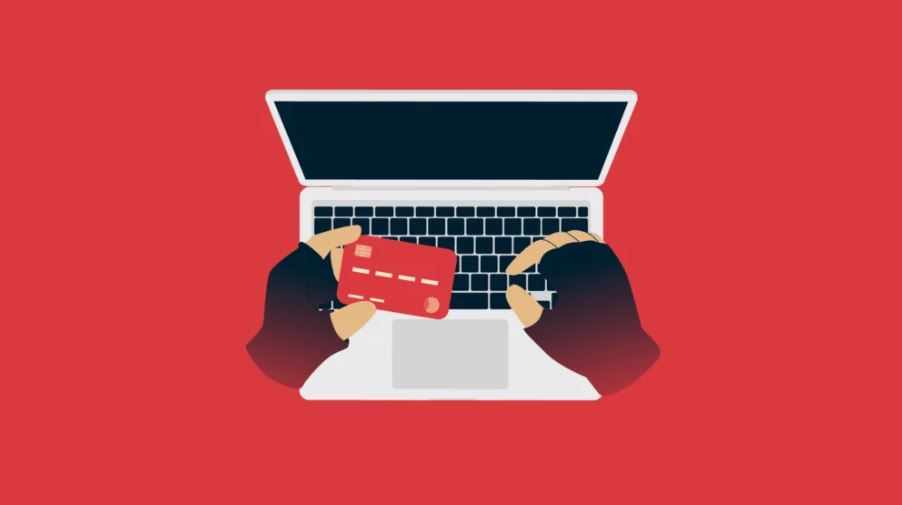
Online shopping has become part of everyday life. From groceries and electronics to fashion and travel bookings, millions of people now rely on digital payments for convenience and speed. However, as e-commerce continues to grow, so do cyber threats targeting online shoppers.
In 2026, cybercriminals use more advanced methods than ever to steal payment information, clone cards, and commit online fraud. Fake shopping websites, phishing attacks, malware, and data breaches have become increasingly sophisticated, making it easier for unsuspecting users to become victims.
Learning how to safely shop online and avoid having your card cloned is now essential for anyone using debit cards, credit cards, or mobile payment apps.
This guide explains the most common online payment threats in 2026 and the best strategies to protect your financial information while shopping online.
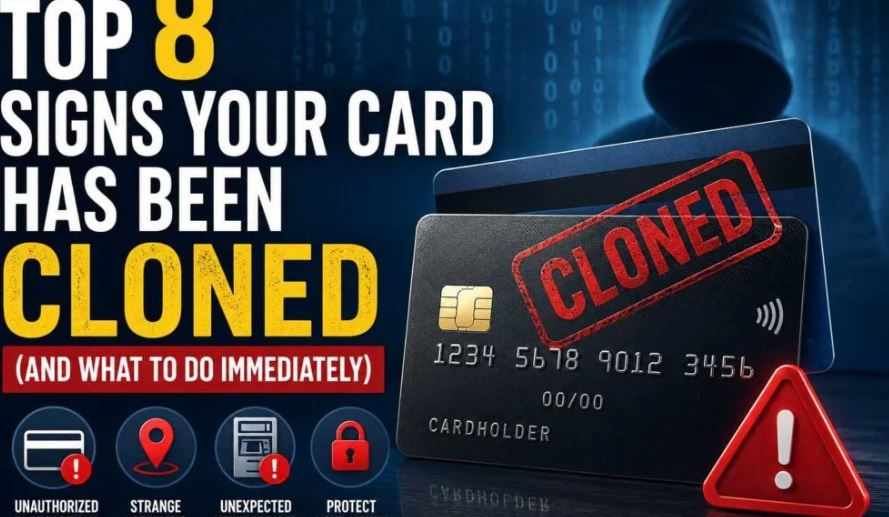
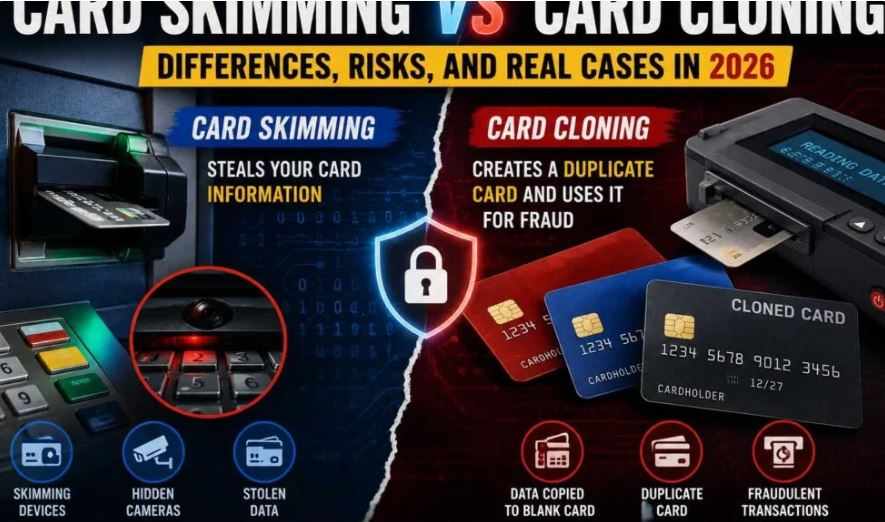
What Is Card Cloning?
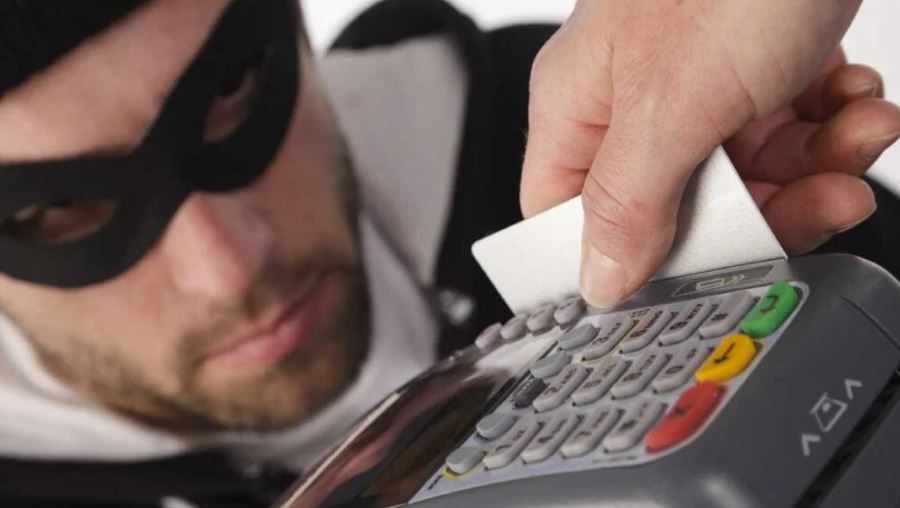
Card cloning is the illegal copying of your payment card information to create a duplicate card or digital payment profile.
Criminals steal:
Card numbers
Expiration dates
CVV codes
Payment tokens
Online banking credentials
Once stolen, the information may be used for:
Unauthorized purchases
ATM withdrawals
Mobile wallet fraud
Dark web sales
Identity theft
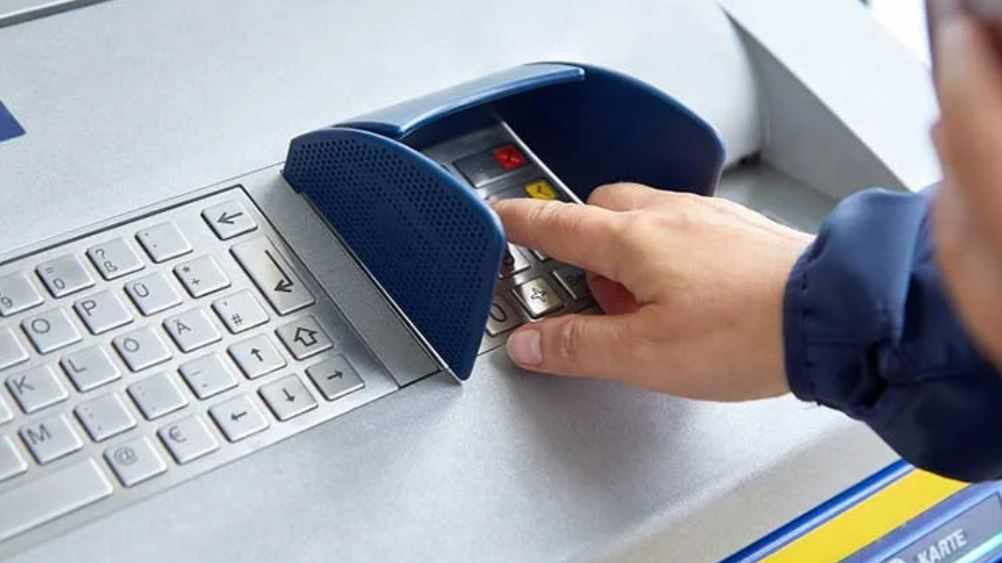
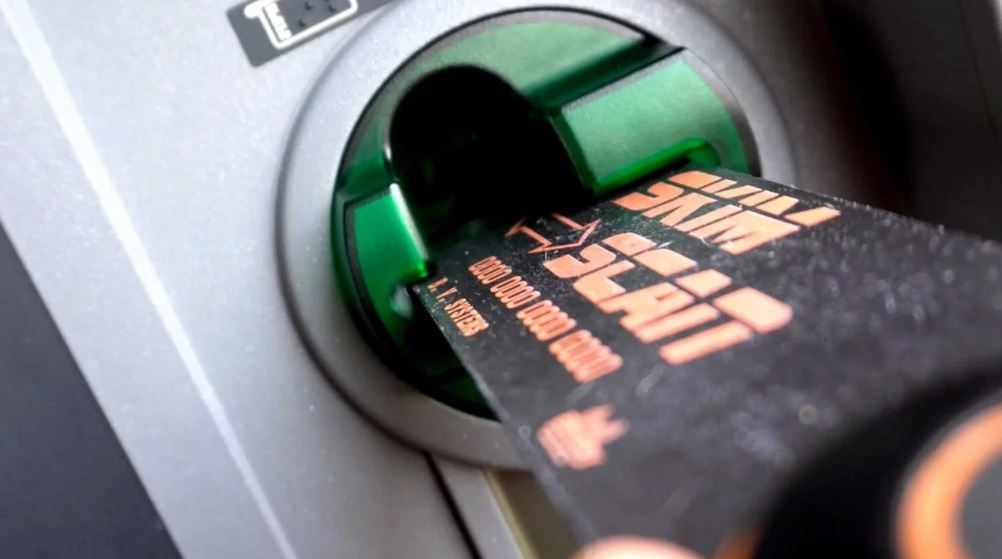
Modern card cloning no longer depends only on physical card skimmers. Many attacks now happen entirely online.
Why Online Shopping Fraud Is Rising in 2026
Several factors contribute to the increase in online payment fraud.
Growth of E-Commerce Platforms
More people shopping online means more opportunities for attackers to target consumers.
AI-Powered Phishing Scams
Cybercriminals now use artificial intelligence to create:
Fake shopping emails
Realistic scam websites
Automated customer support scams
Personalized phishing messages
These scams appear more convincing than ever before.
Increased Mobile Shopping
Many users shop through smartphones without carefully checking:
Website legitimacy
Security certificates
Payment page authenticity
Mobile devices can make it harder to detect fake sites.
Data Breaches
Large-scale company breaches continue exposing millions of payment records online.
Stolen data is often sold on underground forums.
Common Ways Cards Get Cloned Online
Understanding modern attack methods helps you safely shop online and avoid having your card cloned.
1. Fake Shopping Websites
Scammers create fake e-commerce stores that look identical to legitimate retailers.
These websites often:
Offer unrealistic discounts
Use copied product images
Mimic trusted brands
Collect payment information directly
After payment, victims either receive counterfeit products or nothing at all.
2. Phishing Emails and Messages
Phishing remains one of the most effective fraud techniques.
Attackers send fake:
Delivery notifications
Account verification emails
Discount offers
Refund requests
Payment confirmation alerts
Clicking malicious links may lead to credential theft pages.
3. Malware and Spyware
Malicious software can infect:
Smartphones
Laptops
Tablets
Some malware records:
Keystrokes
Saved passwords
Banking sessions
Card details entered online
4. Public Wi-Fi Attacks
Unsecured public Wi-Fi networks expose users to:
Data interception
Session hijacking
Fake hotspot attacks
Hackers may capture payment information during online purchases.
5. Fake Payment Gateways
Some fraudulent websites redirect users to fake payment pages that imitate trusted processors.
Victims unknowingly submit sensitive financial data directly to criminals.
Warning Signs of Unsafe Shopping Websites
One of the best ways to safely shop online and avoid having your card cloned is recognizing suspicious websites early.
No HTTPS Encryption
Legitimate websites should use HTTPS encryption.
Look for:
A padlock icon
Secure connection indicators
Proper SSL certificates
Avoid entering payment information on unsecured sites.
Unrealistic Discounts
Extreme discounts often signal scams.
Examples:
High-end electronics at 90% off
Luxury products at suspiciously low prices
“Limited-time” pressure tactics
If it seems too good to be true, it probably is.
Poor Website Design
Scam websites often contain:
Spelling errors
Broken links
Low-quality images
Inconsistent branding
These are major warning signs.
No Contact Information
Legitimate businesses usually provide:
Customer support details
Physical addresses
Verified contact methods
Missing information should raise suspicion.
How to Safely Shop Online in 2026
Protecting your payment information requires combining good habits with modern security tools.
Use Virtual Cards Whenever Possible
Many banks now offer virtual payment cards for online purchases.
Virtual cards:
Use temporary card numbers
Hide real account details
Limit fraud exposure
Expire automatically
They are one of the safest payment methods available today.
Enable Two-Factor Authentication (2FA)
2FA adds another security layer to your:
Shopping accounts
Banking apps
Payment wallets
Even if attackers steal your password, they may still fail to access your account.
Shop Only on Trusted Websites
Before making purchases:
Research the retailer
Read reviews
Verify the domain name
Check customer feedback
Avoid unknown websites promoted through spam ads or suspicious social media posts. Avoid Having Your Card Cloned.
Use Credit Cards Instead of Debit Cards
Credit cards generally offer:
Better fraud protection
Easier dispute processes
Lower direct financial risk
Debit card fraud can affect your actual bank balance immediately.
Avoid Saving Card Information Online
Convenient saved payment methods can become security risks if accounts are compromised.
Manually entering card details is safer for high-value purchases.
Monitor Your Transactions Regularly
Checking your banking activity frequently helps detect fraud early.
Look for:
Small test charges
Unknown subscriptions
Unrecognized merchants
Immediate reporting improves recovery chances.
Keep Devices Updated
Software updates patch security vulnerabilities exploited by attackers.
Always update:
Browsers
Banking apps
Mobile operating systems
Antivirus software
Use Strong Passwords
Weak passwords remain a major cause of account compromise.
Strong passwords should:
Be unique
Include symbols and numbers
Avoid personal information
Use password managers if possible
Avoid Public Wi-Fi for Payments
Never enter payment information on unsecured public networks.
If necessary:
Use a VPN
Use mobile data instead
Verify network legitimacy
Be Careful With Shopping Apps
Only download shopping apps from official app stores.
Fake apps may:
Steal credentials
Record payment information
Install spyware
Always check:
Reviews
Developer names
Download counts
The Role of AI in Online Fraud
Artificial intelligence is changing cybercrime rapidly.
Attackers now use AI to:
Clone customer support chats
Create realistic phishing messages
Generate fake reviews
Mimic legitimate websites
Automate fraud attempts
At the same time, banks use AI to:
Detect suspicious transactions
Identify fraud patterns
Block unusual activity
Improve account security
The fight between fraud prevention and cybercrime continues evolving. Avoid Having Your Card Cloned
What to Do If Your Card Is Cloned
If you suspect your payment information has been stolen, act immediately.
Contact Your Bank
Report suspicious activity as soon as possible.
Most banks can:
Freeze cards
Reverse unauthorized charges
Issue replacements
Change Passwords
Update:
Shopping accounts
Banking credentials
Email passwords
Especially if the same password was reused elsewhere.
Scan Devices for Malware
Run trusted antivirus or anti-malware scans on all devices used during online shopping.
Enable Fraud Alerts
Banks often allow:
Real-time transaction notifications
Spending alerts
Login alerts
These help identify future threats quickly.
Future Trends in Online Payment Security
The future of online shopping security may include:
Biometric payments
Behavioral authentication
AI fraud prevention
Passwordless checkout systems
Tokenized transactions
Quantum-resistant encryption
As payment security improves, attackers will continue adapting their methods.
Consumer awareness will remain one of the strongest defenses.
Common Myths About Online Card Cloning
“Small Purchases Are Safe”
Even low-value purchases on unsafe websites can expose card details.
“Mobile Payments Are Unsafe”
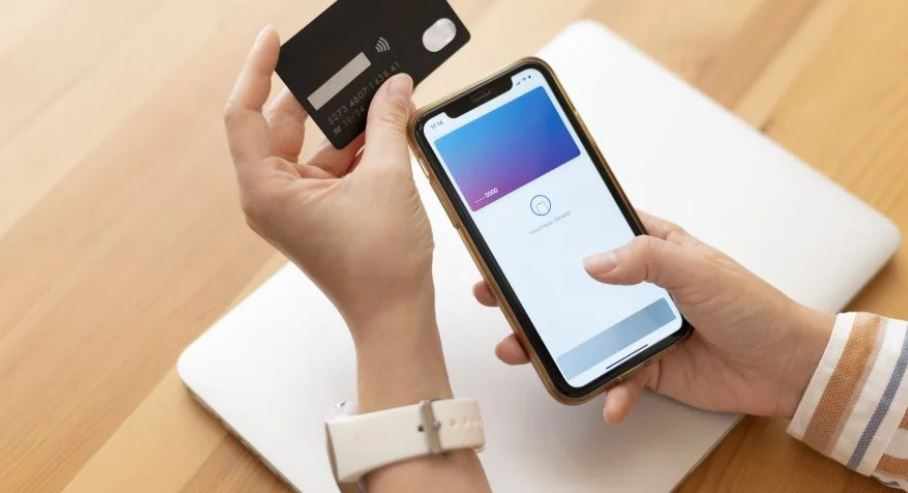
Secure mobile wallets often provide stronger protection than manually entering card numbers.
“Antivirus Software Is Enough”
Antivirus helps, but safe browsing habits remain essential.
FAQ
What is online card cloning?
Online card cloning involves stealing payment card information digitally and using it for unauthorized purchases or fraud.
How can I safely shop online in 2026?
Use trusted websites, enable 2FA, avoid public Wi-Fi, monitor transactions, and use virtual cards whenever possible.
Are virtual cards safer?
Yes. Virtual cards help protect real card details during online purchases.
Can hackers steal card details from public Wi-Fi?
Yes. Unsecured networks can expose sensitive payment information to attackers.
Should I save my card details on websites?
Avoid saving payment information unless absolutely necessary and only on highly trusted platforms.
What should I do if my card is cloned?
Contact your bank immediately, freeze your card, monitor transactions, and change affected passwords.
Final Thoughts
Learning how to safely shop online and avoid having your card cloned is more important than ever in 2026. Cybercriminals continue developing advanced scams targeting online shoppers through fake websites, phishing attacks, malware, and payment fraud.
Fortunately, strong security habits can dramatically reduce your risk. Using virtual cards, enabling two-factor authentication, avoiding suspicious websites, and monitoring transactions regularly are some of the most effective ways to protect yourself.
As online shopping continues expanding worldwide, staying informed and practicing smart digital security will help keep your financial information safe. Avoid Having Your Card Cloned.
Contact Email address: buyclonecardsbond@protonmail.com
australian bank notes for sale, bank note sale, bank notes bills for sale, bank notes for sale australia, bank notes for sale uk, banknote banknotes for sale, banknote near me, banknotes for sale australia, banknotes for sale british bank notes for sale, banknotes for sale cheap, bulk banknotes for sale, canada bank notes for sale, canadian bank notes for sale, currency banknotes for sale, currency for sale, currency paper for sale, dollar banknotes, dollar bills for sale, english bank notes for sale, euro banknotes for sale, foreign bank notes for sale, foreign banknotes for sale, gb banknotes for sale, irish bank notes for sale, northern ireland bank notes for sale, old british bank notes for sale, old german banknotes for sale, old uk bank notes for sale, us banknotes for sale, us currency for sale, where to buy bank notes, where to buy banknotes





Write a comment ...