

Introduction to Identity Fraud vs Credit Card Cloning
In an era of digital transactions and data breaches, financial fraud has evolved into sophisticated threats that can devastate personal finances. Two of the most discussed crimes are identity fraud and credit card cloning. But which is more dangerous: identity fraud vs credit card cloning?
While credit card cloning often grabs headlines with stories of skimmed cards and unauthorized purchases, identity fraud encompasses a broader, more insidious range of attacks that can ruin credit scores, derail careers, and cause years of recovery. This comprehensive guide breaks down the differences, examines real-world impacts with 2025-2026 statistics, and helps you understand the greater risk so you can protect yourself effectively.
What is Identity Fraud?
Identity fraud (or identity theft) occurs when a criminal steals your personal information—such as Social Security number, driver’s license, date of birth, or full name—and uses it to impersonate you for financial or other gains.
Common forms include:
New account fraud: Opening credit cards, loans, or bank accounts in your name.
Synthetic identity fraud: Combining real and fake data to create a “new” person (a rapidly growing threat).
Account takeover: Gaining control of existing accounts.
Medical, employment, or tax identity fraud.
Identity fraud often starts with data breaches, phishing, or dark web purchases of stolen information. Once obtained, thieves can cause widespread damage beyond immediate finances.

'What is Credit Card Cloning?
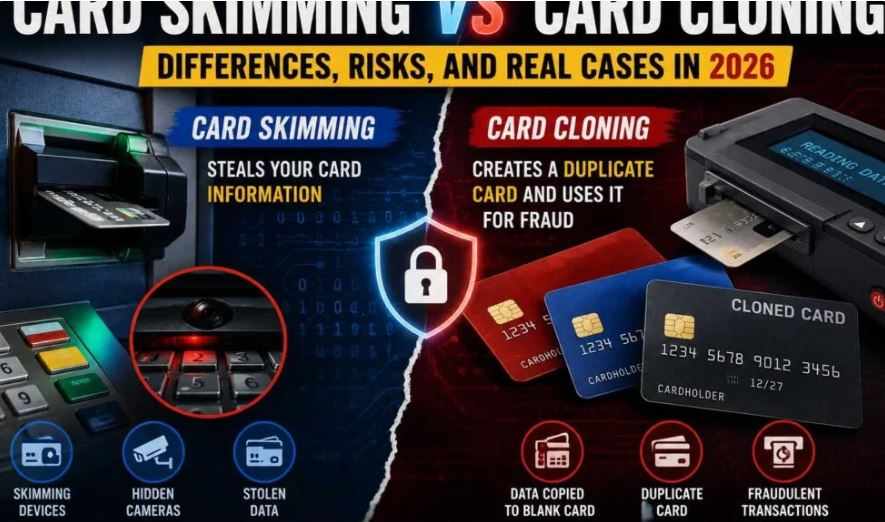
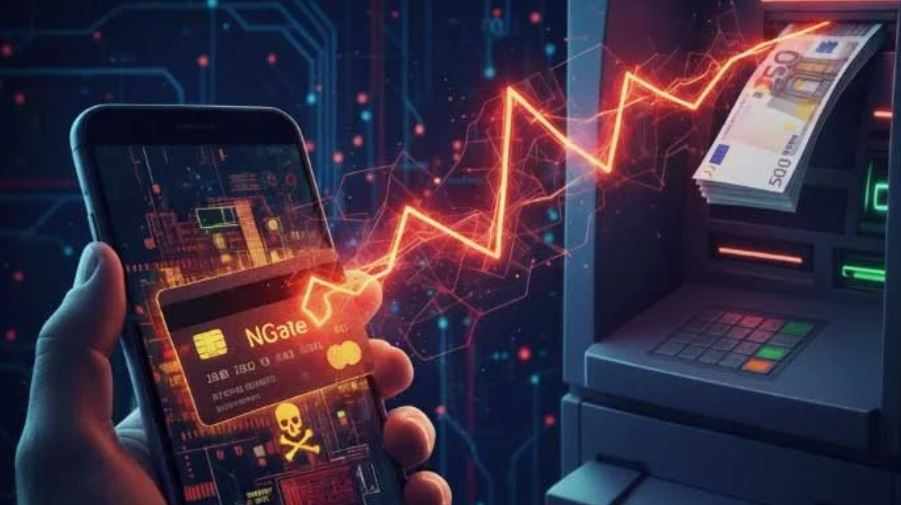
Credit card cloning (also called card skimming or carding) involves copying the data from a legitimate credit or debit card—typically the magnetic stripe, chip data, or card-not-present details—and duplicating it onto another card or for online use.
Criminals use devices called skimmers at ATMs, gas pumps, or POS terminals. Digital skimming via malware on websites is increasingly common. The cloned card is then used for purchases, cash advances, or sold on the dark web.
Credit card cloning is often a subset of broader fraud and frequently results from identity theft when personal data enables initial access.

Key Differences: Identity Fraud vs Credit Card Cloning
AspectIdentity FraudCredit Card CloningScopeBroad (multiple accounts, loans, taxes)Narrow (primarily one card/account)Duration of ImpactYears or lifelongUsually days to weeksDetection DifficultyHigh (may go unnoticed for months)Moderate (statements show charges)Financial LiabilityPotentially unlimitedOften $0–$50 (credit cards)Recovery EffortExtensive (credit reports, legal help)Simple (dispute with issuer)Common Entry PointData breaches, phishing, synthetic IDsSkimming devices, breaches
Identity fraud is the umbrella term; credit card cloning is a specific tactic that can feed into or result from it.
How Each Fraud Works in Practice
Identity Fraud Process:
Thief obtains PII via breach or scam.
Uses data to apply for new credit or benefits.
Builds synthetic profiles that pass initial checks.
Causes cascading damage (bad credit, tax issues, criminal records in your name).
Credit Card Cloning Process:
Skimmer captures card data at physical or digital point.
Data encoded onto blank card or used online.
Fraudster makes quick purchases before detection.
Card details sold in batches on dark web.
Modern fraud blends both: stolen identity data enables better cloning success.
Latest Statistics (2025-2026): The Scale of the Problem
Identity theft and credit card fraud reached record levels. The FTC received over 1.15 million identity theft reports in early 2025 periods, with credit card fraud as the top category (hundreds of thousands of reports).
Credit card fraud affected tens of millions; one report noted 62 million Americans experienced it.
New account fraud (tied to identity theft) dominates over existing account takeover due to better existing card security (chips, EMV).
Losses: Identity fraud in the tens of billions annually; synthetic identity fraud drives a large portion of credit card losses.
Card cloning contributes to ~$1 billion yearly U.S. losses.
These numbers show both are rampant, but identity fraud’s broader footprint creates higher per-victim impact.
Financial, Emotional, and Long-Term Impacts
Credit Card Cloning Impacts:
Quick financial hits, but most victims face $0 liability on credit cards.
Temporary inconvenience and monitoring needs.
Median fraudulent charge around $100.
Identity Fraud Impacts:
Massive losses (some victims report $100k+ or millions).
Damaged credit scores affecting loans, jobs, housing for years.
Emotional distress, anxiety, and even physical health effects.
Time sink: Victims spend dozens to hundreds of hours recovering.
Verdict on Danger: Identity fraud is generally more dangerous due to its prolonged, multifaceted damage. Credit card cloning is more common in raw reports but easier to resolve.
Which is More Dangerous Overall?
Identity fraud wins as the more dangerous threat. While credit card cloning can cause immediate frustration and some losses, identity fraud can destroy your financial life, reputation, and future opportunities. It is harder to detect, more expensive to resolve, and increasingly powered by AI (deepfakes, synthetic identities). Identity Fraud vs Credit Card Cloning.
However, the two are interconnected. Strong protection against one helps the other.
Prevention Strategies for Both Threats
For Credit Card Cloning:
Use contactless/tap payments or virtual cards.
Inspect card readers for skimmers.
Monitor statements daily via apps.
Enable transaction alerts.
For Identity Fraud:
Freeze your credit with major bureaus.
Use strong, unique passwords + MFA.
Monitor credit reports (annualcreditreport.com).
Be wary of phishing and share minimal PII.
Consider identity theft protection services.
General Best Practices:
Use VPN on public Wi-Fi.
Shred documents.
Enable biometric authentication.
Stay informed on AI-driven scams.
Real-Life Case Studies and Examples
Victims of cloning often resolve issues in days by disputing charges. Identity fraud victims, especially synthetic cases, face years of disputes with creditors, IRS, and courts. Data breaches expose millions, fueling both but amplifying identity fraud risks.
Future Trends: AI, Deepfakes, and Synthetic Identities
AI is supercharging both, but identity fraud benefits more from deepfake voice/video for verification bypass and synthetic identities that evade traditional checks. Expect continued growth in 2026 and beyond.
Conclusion
In the battle of identity fraud vs credit card cloning, identity fraud emerges as the more dangerous long-term threat due to its depth, duration, and difficulty to fully remediate. Credit card cloning is annoying and widespread but usually contained. Protect against both proactively—your vigilance today prevents tomorrow’s nightmare. Stay informed, monitor accounts, and secure your digital life. Identity Fraud vs Credit Card Cloning.
FAQ
What is the main difference between identity fraud and credit card cloning?
Identity fraud involves stealing and misusing broad personal information for various crimes. Credit card cloning specifically duplicates card data for unauthorized use.
Is credit card cloning a form of identity fraud?
It can be, especially when personal data enables the cloning, but it’s narrower in scope.
Which causes more financial losses?
Identity fraud overall, particularly new account and synthetic types, though credit card fraud has high report volume.
Can I recover from identity fraud easily?
It’s more challenging than credit card fraud. Expect significant time and effort; professional services help.
How can I check if my identity has been stolen?
Review credit reports regularly, monitor bank/credit alerts, and watch for unexpected bills or tax issues.
Are debit cards riskier than credit cards for cloning?
Yes, because debit cards often lack the same zero-liability protections and pull money directly from your account.
Contact Email Address : buyclonecardsbond@protonmail.com













Write a comment ...