

Introduction to What to Do If Your Card Is Cloned
Credit card cloning remains one of the most prevalent forms of financial fraud in 2026. Skimming devices and digital theft methods continue to evolve, putting millions of cardholders at risk. If you notice suspicious charges or suspect your card data has been duplicated, knowing what to do if your card is cloned is critical to limiting losses and recovering quickly.
This comprehensive guide provides a clear, actionable step-by-step recovery process based on current best practices from banks, the FTC, and fraud experts. Acting swiftly can often result in zero out-of-pocket costs thanks to consumer protections. We’ll cover immediate response, long-term recovery, emotional aspects, and robust prevention strategies to help you regain control and outsmart fraudsters. What to Do If Your Card Is Cloned.
Understanding Credit Card Cloning in 2026
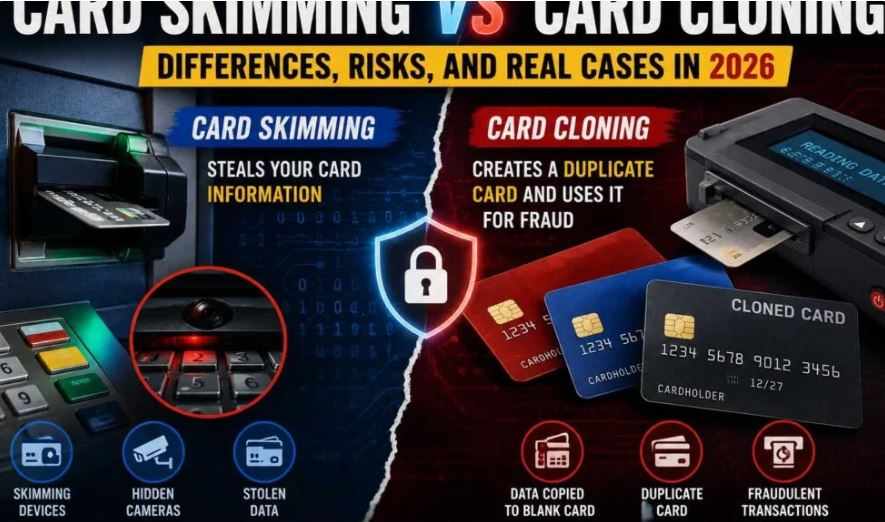
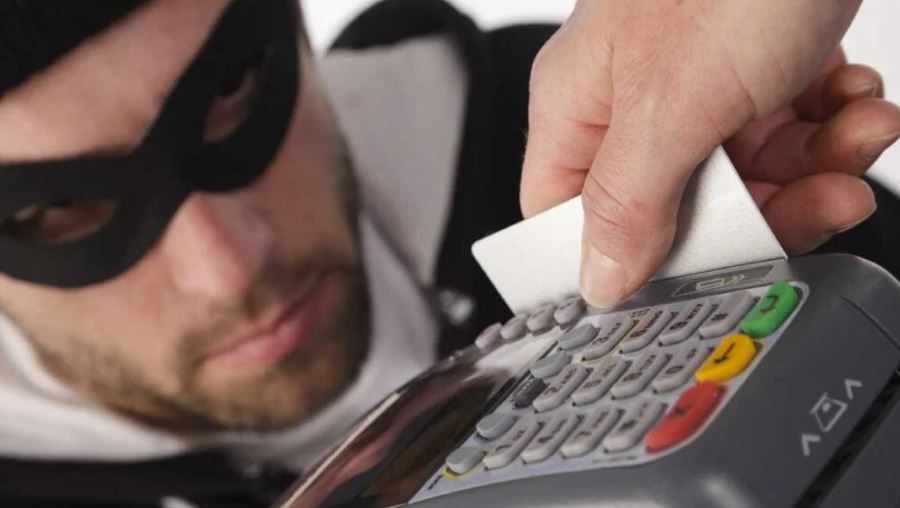
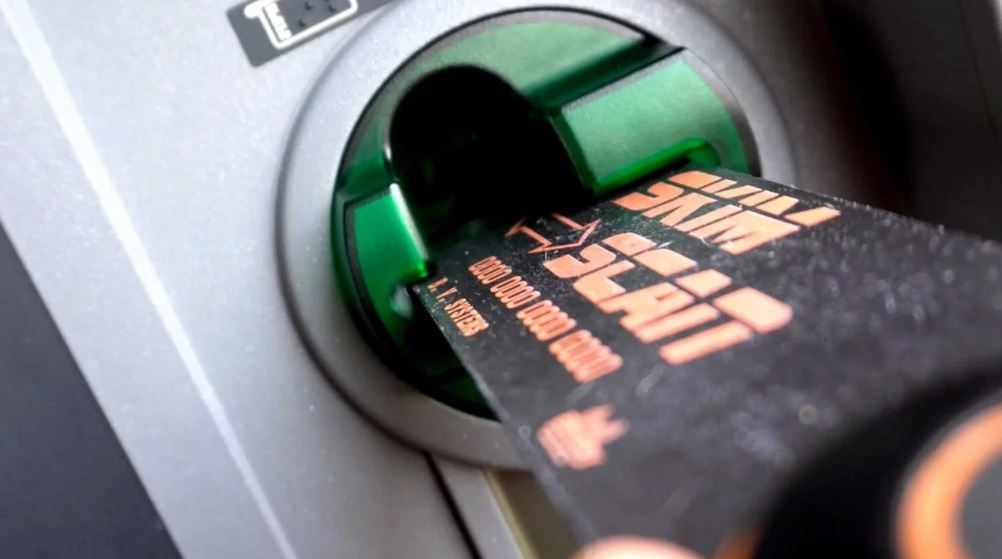
Credit card cloning (also known as skimming or carding) occurs when criminals capture your card’s magnetic stripe, chip, or digital details and replicate them onto another card or for online use. Fraudsters use physical skimmers at ATMs, gas pumps, and POS terminals, or digital methods like malware on compromised websites.
In 2026, skimming fraud still causes roughly $1 billion in annual U.S. losses. Debit card compromises have risen significantly in recent years, and card-not-present fraud continues to grow.
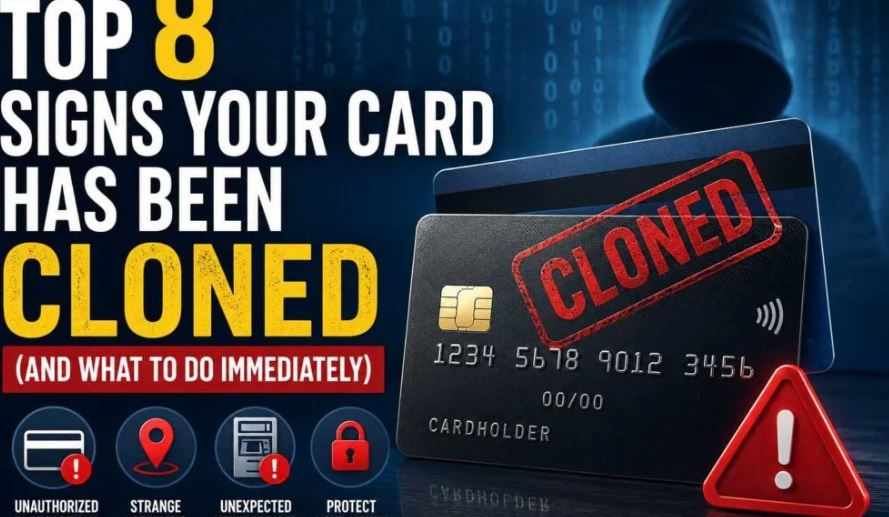
Early detection is key. Many victims first spot issues through unexpected transactions, declined payments, or fraud alerts from their bank.
Step 1: Stay Calm and Confirm the Suspicion
Before panicking, verify the transactions:
Log into your banking app or online portal.
Review recent activity for unfamiliar charges, even small “test” purchases.
Check if your physical card is still in your possession.
Distinguish between legitimate charges (travel, subscriptions) and true fraud. Document everything: dates, amounts, merchants, and screenshots. What to Do If Your Card Is Cloned.
Step 2: Contact Your Card Issuer Immediately (Most Critical Step)
Call the fraud department using the number on the back of your card or in your app — do not use numbers from emails or texts. Report the issue right away.
What to tell them:
You did not authorize the transactions.
You suspect card cloning.
Request an immediate block or cancellation of the current card.
Ask for a replacement card (often expedited).
Most major issuers offer 24/7 fraud support. Many allow temporary card locks via apps while investigating. Prompt reporting usually limits your liability to $0 for credit cards under zero-liability policies, or $50 maximum under the Fair Credit Billing Act. Debit cards have different protections (Regulation E), making quicker action even more important.
Step 3: Dispute Fraudulent Charges
Work with your issuer to dispute each unauthorized transaction. Provide your documentation. Banks typically remove disputed charges provisionally during investigation (often 30-90 days).
Keep records of all communications, reference numbers, and representative names. Monitor your account daily during this period. What to Do If Your Card Is Cloned.
Step 4: Monitor All Related Accounts and Change Credentials
Cloning can signal broader data compromise:
Review linked bank accounts, especially if using debit.
Change passwords for online banking, email, and any stored card accounts.
Enable or strengthen multi-factor authentication (MFA).
Check for account takeover signs.
If identity theft is suspected (new accounts opened), proceed to broader recovery steps.

Step 5: File Official Reports
Police Report: File one locally. It strengthens disputes and helps track patterns. Get a copy for your records.
FTC Report: Visit IdentityTheft.gov even for “pure” card fraud. It generates a recovery plan and affidavit useful for creditors.
Report to other agencies if international fraud is involved (e.g., IC3.gov).
Step 6: Protect Your Credit and Long-Term Identity
Place a fraud alert with Equifax, Experian, and TransUnion (one call triggers all). Consider a full credit freeze for maximum protection. Obtain free weekly credit reports via AnnualCreditReport.com and review for new accounts.
If cloning leads to identity theft, follow the full FTC recovery checklist, including notifying utility companies, IRS (Form 14039 if needed), and other institutions.
Step 7: Follow Up and Rebuild Security
Track replacement card arrival and activate it.
Set up real-time transaction alerts via text/email/app.
Review statements for 3-6 months post-incident.
Consider identity theft protection services with monitoring and insurance.
Recovery timelines vary: simple cases resolve in days; complex ones (especially debit or identity-linked) may take weeks to months.
Financial Liability and Consumer Rights
Credit card users generally enjoy strong protections — you are often not liable for cloned card charges if reported promptly. Debit card users face higher risk since funds are withdrawn directly, though many banks now extend similar protections. Always review your specific cardholder agreement.
Emotional and Practical Impact of Card Cloning
Victims often experience stress, anxiety, and time loss (dozens of hours on calls and paperwork). Treat this as a learning opportunity to strengthen overall financial hygiene. Support resources include FTC guides and consumer advocacy groups.
Prevention: How to Avoid Card Cloning in the Future
Proactive steps dramatically reduce risk:
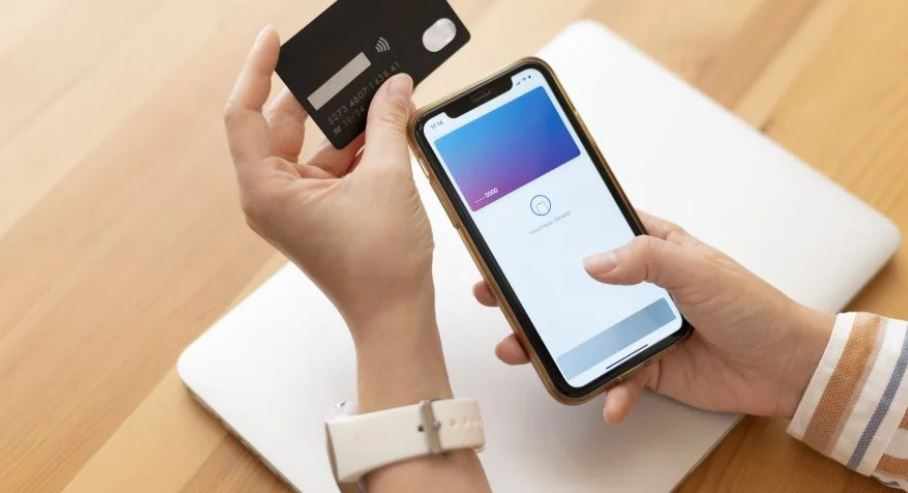
Use contactless/tap payments or digital wallets (Apple Pay, Google Pay) with tokenization.
Inspect card readers for tampering before use.
Prefer bank-owned ATMs and chip readers.
Enable transaction alerts for every purchase.
Use virtual/one-time-use cards for online shopping.
Carry RFID-blocking wallets.
Avoid public Wi-Fi for financial transactions; use a VPN.
Monitor accounts daily via apps.
Advanced Protection Tools and Services
Consider bank-offered services, credit monitoring, or comprehensive identity protection plans. Biometric authentication and AI-driven fraud detection by issuers add extra layers.
Real-Life Recovery Stories and Case Studies
Many victims recover fully within weeks by acting fast. High-profile skimming rings show patterns at travel locations and gas stations. Learning from others reinforces the value of alerts and rapid response.
Future Trends in Card Fraud (2026 and Beyond)
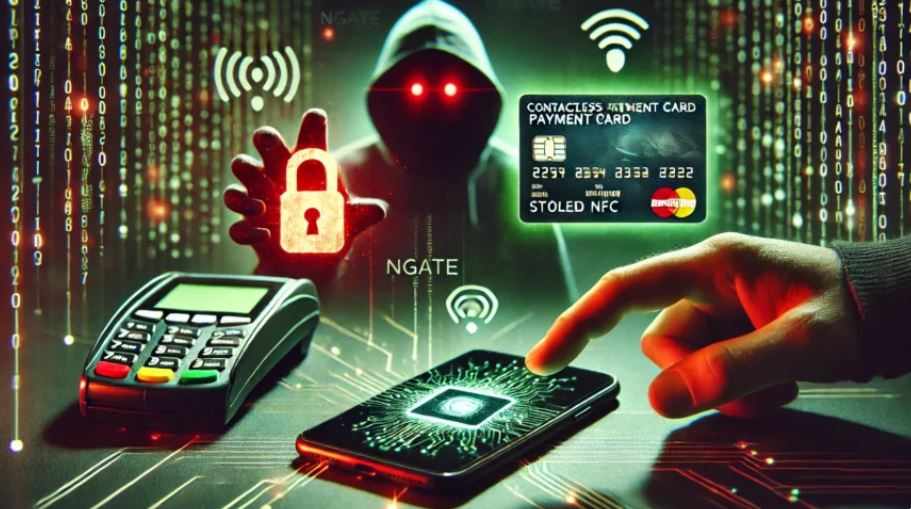
Criminals are shifting to digital skimming, synthetic identities, and NFC/RFID attacks. Banks counter with better tokenization and behavioral analytics. Stay informed through trusted sources.
Conclusion
Knowing what to do if your card is cloned empowers you to act decisively and recover with minimal loss. The key steps contact issuer immediately, document everything, dispute charges, and fortify security form a reliable recovery framework that works in 2026. Prevention through vigilance and modern tools is your best defense against future threats.
Don’t wait until it happens. Review your accounts today, enable alerts, and prepare your response plan. Your financial peace of mind is worth the effort. What to Do If Your Card Is Cloned.
FAQ
How do I know if my card has been cloned?
Look for unauthorized transactions, sudden declines, or fraud alerts. Even small unknown charges can indicate testing by fraudsters.
Will I have to pay for the fraudulent charges if my card is cloned?
Usually no for credit cards if reported promptly. Debit cards have more limited protections — contact your bank immediately.
How long does it take to recover from card cloning?
Simple cases resolve in a few days to weeks. Complex situations involving identity theft may take months.
Should I cancel my card or just dispute charges?
Most issuers recommend blocking/cancelling and issuing a replacement to stop further cloning use.
Is it better to use credit cards or debit cards to avoid cloning risks?
Credit cards generally offer stronger zero-liability protections and are recommended for most transactions.
Can card cloning lead to identity theft?
Yes. Stolen card data is often sold alongside other personal information on the dark web, potentially leading to broader fraud.
What should I do if I find a skimming device?
Do not touch it. Report to the location manager, your bank, and local police immediately.
australian bank notes for sale, bank note sale, bank notes bills for sale, bank notes for sale australia, bank notes for sale uk, banknote banknotes for sale, banknote near me, banknotes for sale australia, banknotes for sale british bank notes for sale, banknotes for sale cheap, bulk banknotes for sale, canada bank notes for sale, canadian bank notes for sale, currency banknotes for sale, currency for sale, currency paper for sale, dollar banknotes, dollar bills for sale, english bank notes for sale, euro banknotes for sale, foreign bank notes for sale, foreign banknotes for sale, gb banknotes for sale, irish bank notes for sale, northern ireland bank notes for sale, old british bank notes for sale, old german banknotes for sale, old uk bank notes for sale, us banknotes for sale, us currency for sale, where to buy bank notes, where to buy banknotes
Contact Email Address: buyclonecardsbond@protonmail.com





Write a comment ...